
Boro Textiles
Japan's mended and patched textiles are referred to as boro, or ragged, both in Japan and abroad.
Boro textiles are usually sewn from nineteenth and early twentieth century rags and patches of indigo dyed cotton. The diversity of patches on any given piece is a veritable encyclopedia of hand loomed cotton indigo from old Japan. In most cases, the beautiful arrangement of patches and mending stitches is borne of necessity and happenstance, and was not planned by the maker.
Imagine that boro textiles were stitched in the shadows of farmhouses, often at night by the light of one dim andon, on the laps of farm women. This unselfconscious creative process has yielded hand-made articles of soulful beauty, each of which calls upon to be recognized and admired as more than the utilitarian cloth they were intended to be.
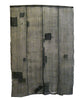
A Large Section of Hemp Mesh Mosquito Netting: Patched Kaya
early twentieth century76" x 54", 193 cm x 137 cm This is... (more)

A Beautifully Patched Tsunobukuro: Very Attractive Cotton Horn Bag
early twentieth century46" x 15 1/21", 117 cm x 39.5 cm T... (more)
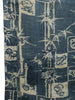
A Length of Katazome Dyed Hemp or Ramie Cloth: Nine Patches
early twentieth century58" x 12 3/4", 147.5 cm x 32.5 cm ... (more)
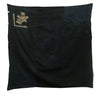
A Patched and Mended Furoshiki: Resist Dyed
late nineteenth, early twentieth century38 1/2" x 38", 98... (more)
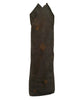
A Leathery Tsunobukuro: Patched Horn Bag Dipped Repeatedly in Kaki Shibu
late nineteenth, early twentieth century54" x 16 1/2", 13... (more)
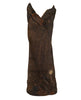
A Very Patched and Rugged Boro Tsunobukuro: Hemp Horn Bag
late nineteenth, early twentieth century39" x 13", 99 cm ... (more)
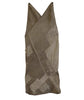
A Boro Hemp Tsunobukuro: Low Contrast Tonal Cotton Patches
late nineteenth century33 1/2" x 11 3/4", 85 cm x 32.5 cm... (more)
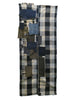
A Two Panel Patched Futon Cover Fragment: Layers and Piles of Patches
early twentieth century62" x 25 1/2", 157.5 cm x 65 cm Wh... (more)