
Katazome
Katazome is a resist dye technique in which a paste of rice flour and bran is applied to cloth through a cut paper stencil. This paste is applied with a flat, blunt tool or a brush: where the paste has been pushed onto the cloth, dye will not penetrate. Dyes can be applied using an immersion method, by hand tinting, or by a combination of these applications, depending on the complexity of the desired effect. If the cloth is to be seen from both sides, the application of rice paste through a stencil is applied to both sides of a cloth, requiring an amazing technical skill for exact registration of the stencil on front and back.
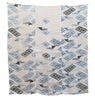
A Finely Plied Stencil Dyed Furoshiki: Delicately Woven Cloth
kearly twentieth century39" x 34", 99 cm x 86.5 cm This i... (more)
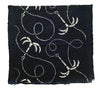
A Square of Katazome Dyed Cotton: Rare Anchor Pattern
late nineteenth, early twentieth century12" x 13 1/4", 30... (more)

A Length of Faux Miura Shibori: Multiple Katazome Stencils
late nineteenth, early twentieth century29 1/2" x 13 1/2"... (more)

A Generous Length of Katazome Dyed Cotton: Hand Spun Yarns
late nineteenth century731/2" x 13 1/2", 187 cm x 34 cmTh... (more)

A Length of Katazome Dyed Cotton: Traditional Asanoha Pattern
early to mid twentieth century42 1/12" x 13", 108 cm x 33... (more)
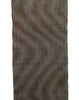
A Length of Kumanozome: Distinctive Moire Patterned Cotton
late nineteenth century63 3/4" x 13", 164.5 cm x 33 cmThi... (more)

A Fragment of Kumanozome: Distinctive Moire Cloth
late nineteenth century14 1/2" x 12 1/2", 37 cm x 32 cm T... (more)

A Three Panel Katazome Dyed Cotton Furoshiki: Machine Stitched
early twentieth century35" x 36", 89 cm x 91.5 cmThis is ... (more)
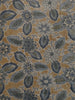
A Length of Beautifully Patterned Sakai Sarasa: Indian Inspired Cotton Cloth
mid nineteenth century32 3/4" x 13 7/8", 83 cm x 35 cm Th... (more)
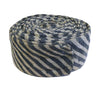
A Coiled Horse Rein: Decorative Trapping for Festivals
katalate nineteenth, early twentieth century2 1/4" x 5 ya... (more)

A Generously Long Length of Dark Toned Katazome Cotton: Folded Paper and Wisteria
late nineteenth, early twentieth century58" x 13 1/2", 14... (more)
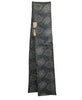
A Very Long Piece of Katazome Dyed Cotton: End Bolt and Patches
early twentieth century128" x 13", 325 cm x 33 cm This is... (more)

A Length of Old and Beautiful Katazome Cloth: Hand Spun Yarns
mid to late nineteenth century26" x 14 1/4", 66.5 cm x 36... (more)

A Length of Narumi Kongata: Specialized Katazome Dyeing
late nineteenth, early twentieth century32" x 13 3/4", 81... (more)